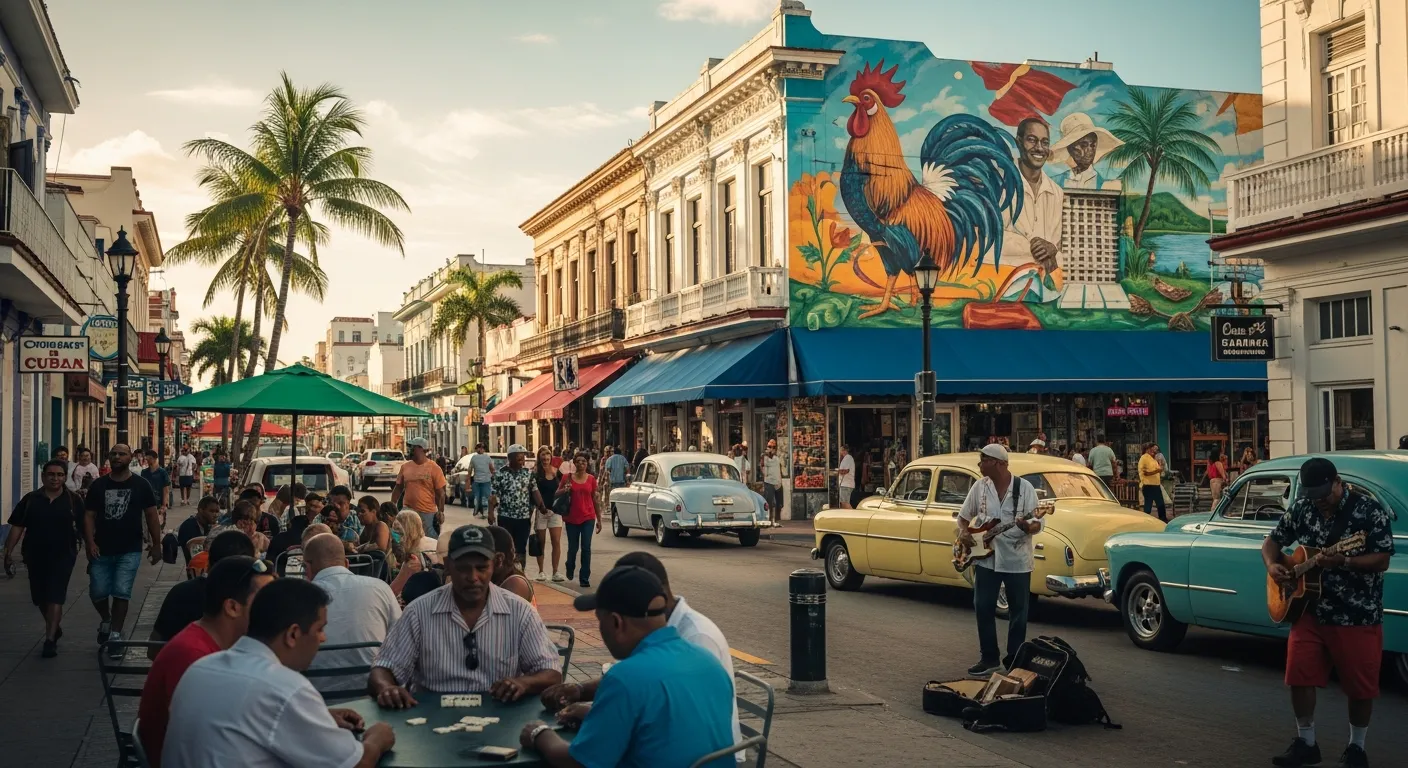
Cuban Consumer Research Miami
Focus groups, in-depth interviews, and generational studies with Cuban-American consumers in Hialeah, Little Havana, Coral Gables, and across Miami-Dade. Bilingual moderators with deep Cuban community expertise.
The Cuban-American Consumer Market in Miami-Dade
Cuban Americans are the largest Hispanic nationality group in Florida, with approximately 1.5 million Cuban-origin residents statewide and the largest concentration in Miami-Dade County. Hialeah, at 96% Hispanic with the majority Cuban-origin, is functionally a monolingual Spanish city with its own media, political, and commercial ecosystem. Little Havana remains the cultural and symbolic heart of Cuban-American life, while Coral Gables and Westchester are home to second- and third-generation Cuban professionals.
This community is commercially powerful and distinct. Cuban-American households have higher homeownership rates than the national Hispanic average, strong brand loyalties to specific categories (Cuban coffee, specific bread and pastry brands, rum), and political identities that affect which brands they trust. The Cuban community's multi-decade presence in the US market means it does not behave like a recent immigrant segment -- but its strong cultural identity means it also does not behave like the general US market.
Generational Segmentation: Essential for Cuban Research
| Generation | Language Profile | Key Consumer Traits | Research Format |
|---|---|---|---|
| First gen (born Cuba) | Spanish dominant | Strong home-country brand loyalty, cash preference, high TV consumption | Spanish IDIs or groups |
| 1.5 gen (arrived as child) | Bilingual | High cultural identity, bilingual media, cross-cultural brand use | Bilingual groups |
| Second gen (US-born parents) | English dominant, Spanish heritage | Assimilated purchase behaviour, cultural identity through food/music | English or bilingual |
| Third+ gen | English primary | Mainstream US consumer with Cuban cultural touchpoints | English focus groups |
Source: HRG Cuban consumer research experience, Miami-Dade County demographic data.
Category-Specific Cuban Consumer Insights
Food and beverage is the category where Cuban cultural identity is most commercially legible. Café Bustelo and Pilon compete directly with general-market coffees but with deep Cuban-community loyalties. Cuban bread from Publix versus La Segunda Central Bakery is a cultural statement. Goya versus store-brand black beans is an identity choice as much as a price choice. In-home use tests and pantry audits reveal a dual shopping strategy: Cuban-origin staples purchased at Latin supermarkets (Sedano's, Bravo, El Bodegon), complemented by US mainstream brands from Publix or Walmart for other categories.
For in-home use tests and pantry audits with Cuban households, HRG recommends deploying bilingual field staff with Cuban cultural background. Product placement studies with Cuban-American families provide insights unavailable from general US market panels, particularly for brands entering the Latin trade channel or testing Cuban-targeted SKUs.
Research Cuban-American Consumers in Miami
Discover which research methodology best fits your Caribbean market entry strategy.
Related Community Research
- Venezuelan Consumer Research Miami - Doral and Miami-Dade Venezuelan community
- Colombian Consumer Research Miami - Weston and Doral Colombian professional segment
- Central American Consumer Research Miami - Nicaraguan, Honduran, Salvadoran communities
- Caribbean Community Research Miami - Jamaican, Haitian, Trinidadian diaspora
- Focus Groups Miami - full bilingual focus group services
- In-Depth Interviews Miami - one-on-one bilingual IDIs
- In-Home Tests Miami - Cuban household pantry audits and product studies
- Hispanic Focus Groups Florida - bilingual qualitative research methodology guide
Frequently Asked Questions
Where is the Cuban-American community concentrated in Miami?
Hialeah, with a population of approximately 240,000, is 96% Hispanic and has the highest concentration of Cuban-origin households in the United States. Little Havana in Miami-Dade is the symbolic cultural centre of Cuban-American life, while Coral Gables, Westchester, and Kendall host second- and third-generation Cuban-American middle and upper-middle class families. HRG recruits across all of these communities with neighbourhood-specific networks.
How are Cuban-American consumers different from other Hispanic consumers in Miami?
Cuban-American consumers are among the most acculturated Hispanic segments in the US. Third-generation Cuban Americans in Miami are often English-dominant, hold higher educational and income levels than recent Hispanic arrivals, and have brand relationships shaped by decades of US market exposure. At the same time, cultural identity, political values (strongly anti-communist), music, food, and family structure remain distinctly Cuban. Multi-generational Cuban households often include first-generation Spanish-dominant grandparents and English-dominant grandchildren in the same purchase decision.
What research methodologies work best with Cuban consumers in Miami?
Focus groups are highly effective with Cuban consumers given the community's cultural comfort with expressive, lively group dynamics. Miami Cuban focus groups frequently produce spirited discussions with high engagement. IDIs are better for financial topics, healthcare decisions, and political attitudes. In-home visits and pantry audits are effective for food and beverage research given the centrality of Cuban culinary culture in household life. Generational segmentation is essential: first-generation IDIs in Spanish; second- and third-generation bilingual or English-language groups.
Do you offer Spanish-language research with Cuban consumers in Hialeah?
Yes. HRG moderators for Cuban consumer research are bilingual with Cuban cultural familiarity -- understanding Cuban idioms, political references, generational markers, and the social dynamics of exile community life. We conduct monolingual Spanish sessions for first-generation participants, bilingual sessions for mixed-generation groups, and English-dominant sessions where appropriate for third-generation or English-preference respondents.
What industries research Cuban-American consumers in Miami?
Food and beverage brands with Cuban heritage SKUs or Latin-targeted products, financial services studying long-established immigrant wealth management behaviour, healthcare providers serving the high-proportion elderly Cuban-American population in Hialeah, insurance companies, retail chains entering the Cuban trade corridor in Hialeah, and political and public affairs organizations are the primary clients. HRG has experience across all of these sectors.
How do you handle generational differences in Cuban consumer research?
HRG standard screeners for Cuban consumer studies capture generation (first, 1.5, second, third-plus), primary language preference, and country of birth of parents. We typically recommend separate groups or IDI programmes by generational cohort rather than mixed-generation sessions, as the brand relationships, media consumption, language preference, and cultural reference points differ substantially. Analysis includes cross-generational comparison as a standard deliverable.
Download: Cuban-American Consumer Profile Miami 2025
Generational breakdown, brand loyalty patterns, media consumption habits, and purchasing behaviour data for Cuban-American consumers in Miami-Dade County. Research design recommendations included.