Trinidadian Consumer Research Miami
Focus groups, in-depth interviews, and in-home studies with Trinidadian-American consumers in Miramar, Pembroke Pines, and across Broward. HRG operates in Trinidad and the diaspora -- expertise in both Afro-Trinidadian and Indo-Trinidadian consumer segments.
The Trinidadian-American Market in South Florida
Miramar and Pembroke Pines in Broward County are home to one of the largest concentrations of Trinidadian-origin residents in the United States. The community spans both Afro-Trinidadian and Indo-Trinidadian households, reflecting Trinidad's own multiethnic society. This internal diversity is commercially significant: food preferences, household structure, cultural events, and some product loyalties differ between these two groups, and research design must account for it.
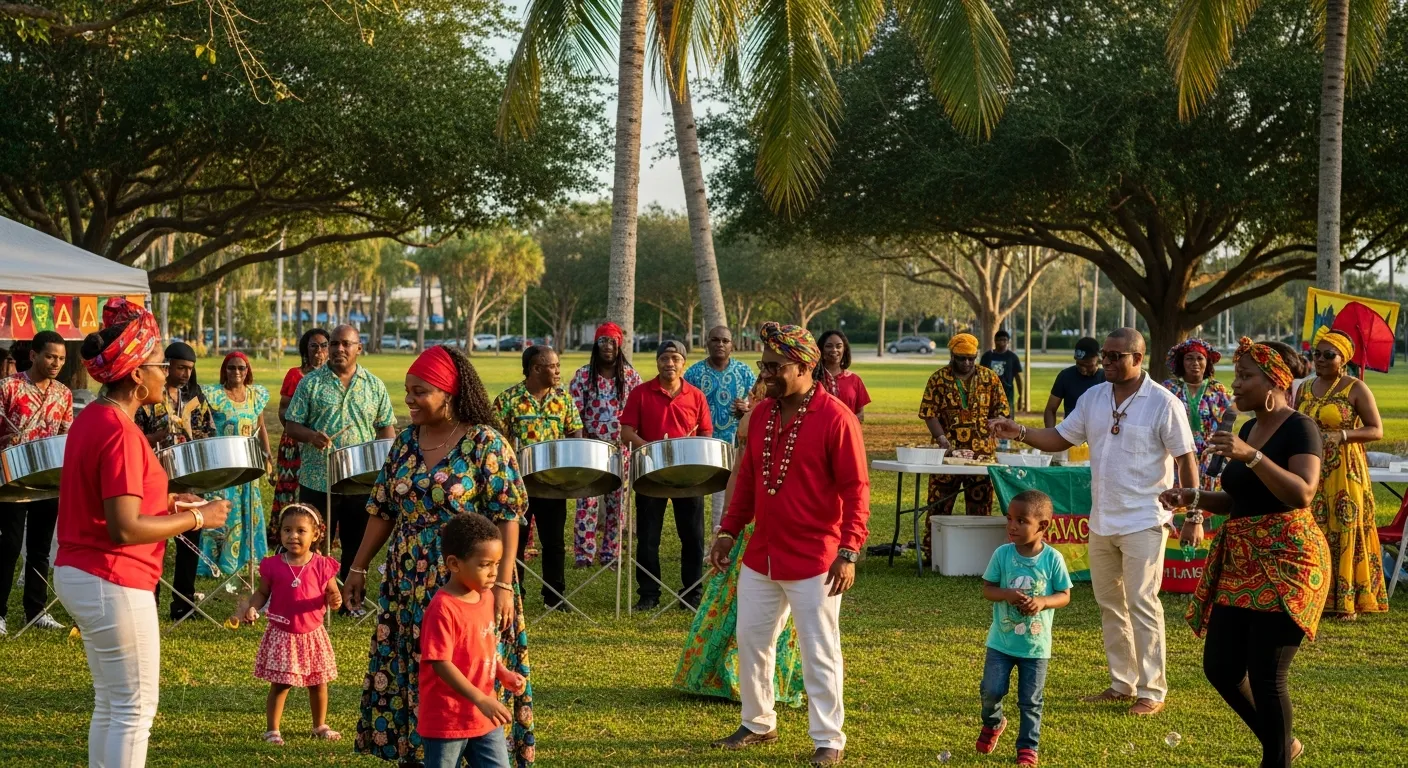
Trinidadian-Americans in Broward are predominantly middle class with strong cultural institutions: soca and steelband associations, Hindu temples and Indo-Trinidadian cultural organisations, Caribbean carnival organisations that participate in the annual Broward County Carnival, and a network of Trinidadian-owned businesses spanning food, professional services, and retail. These institutions are the primary trust-building entry points for community-embedded research recruitment.
HRG's credential with this community is unique. We have operated focus groups and quantitative surveys in Trinidad and Tobago since our founding, with regular in-country fieldwork in Port of Spain, San Fernando, and Tobago. Our South Florida Trinidadian diaspora work is informed by direct knowledge of what Trinidadian consumers were before migration and how those preferences have shifted in a US context.
Afro-Trinidadian and Indo-Trinidadian Consumer Segmentation
| Segment | Food and Pantry Profile | Cultural Anchors | Research Notes |
|---|---|---|---|
| Afro-Trinidadian | Carib beer, solo drinks, pelau, callaloo, stewed chicken, Angostura bitters in cocktails and cooking | Carnival, soca music, Trinidadian steelband, church | Focus groups in community venues; carnival and music as warm-up anchors |
| Indo-Trinidadian | Roti, dhal, curry blends, basmati rice, South Asian-Caribbean fusion pantry, Carib beer also present | Hindu temple, Divali and Phagwa, Indian-Caribbean music (chutney soca) | Separate IDIs or groups recommended for sensitive topics; temple networks for recruitment |
Source: HRG Trinidadian community recruitment data and in-country Trinidad research experience.
Key Categories for Trinidadian Consumer Research
Angostura bitters is a Trinidadian-origin brand with global reach, and Trinidadian-American consumers in Miramar use it in both culinary and cocktail applications that differ from US general-market usage. Tracking Angostura's diaspora market penetration, occasion mapping, and competitive set requires Trinidadian-specific research design that understands the product's cultural significance. Similar dynamics apply to Carib beer, Solo soft drinks, and Chief Brand Products -- all Trinidad-origin brands with active diaspora retail strategies in South Florida.
Carnival is the major cultural event anchoring Trinidadian-American community life in Broward. Brands that sponsor or associate with the Broward County Carnival reach the Trinidadian-American market through its highest-engagement cultural moment. Research into carnival sponsorship effectiveness, brand recall within the carnival context, and community attitudes toward brand participation in carnival requires moderators with direct experience of the Trinidad carnival tradition and its diaspora expression.
For in-home product studies, see our in-home tests Miami page. For focus groups and IDI services, see focus groups Miami and in-depth interviews Miami.
Paired Trinidad and US Diaspora Studies
HRG's most distinctive capability for Trinidadian brands is running paired studies simultaneously in Trinidad and in the Miramar diaspora. This design answers questions no single-market study can: How does perception of a Trinidadian-origin brand differ between consumers who grew up with it in Trinidad versus those who discovered it in the US? Which products from home are being sought out in US retail, and which have been replaced by US equivalents?
For brands managing both a Trinidad in-country market and a US Caribbean diaspora distribution strategy, this paired capability is commercially valuable and available only from a research firm with genuine operations in both geographies. See our focus groups Trinidad page for in-country capabilities including Port of Spain, San Fernando, and Tobago fieldwork.
Research Trinidadian-American Consumers in South Florida
Discover which research methodology best fits your Caribbean market entry strategy.
Related Resources
- Focus Groups Trinidad - in-country Trinidad research, Port of Spain and San Fernando
- Jamaican Consumer Research Miami - Jamaican-American community in Lauderhill and Broward
- Caribbean Community Research Miami - full Caribbean diaspora overview including Haitian and Eastern Caribbean
- In-Depth Interviews Miami - one-on-one IDI services for sensitive and specialist topics
- In-Home Tests Miami - IHUT and pantry audits with Trinidadian households
- Focus Groups Miami - full South Florida qualitative research services
- Market Research Trinidad - Trinidad in-country market overview
- Qualitative Research Caribbean - Caribbean qualitative methodology overview
Frequently Asked Questions
Where is the Trinidadian-American community concentrated in South Florida?
Miramar and Pembroke Pines in Broward County are the primary concentrations of Trinidadian-origin residents in South Florida. Trinidadian-Americans are also present in Lauderhill, Hollywood, and Plantation. The community in Miramar includes both Afro-Trinidadian and Indo-Trinidadian households, reflecting Trinidad's own ethnic diversity, and this distinction matters for product research. HRG has recruitment networks in Miramar, Pembroke Pines, and across the broader Broward Caribbean community.
How do Trinidadian-American consumers differ from Jamaican or other Caribbean consumers?
Trinidadian-American consumers have a distinct cultural identity shaped by Trinidad's multicultural society (Afro-Trinidadian and Indo-Trinidadian heritage), its oil economy prosperity, and its strong carnival and music culture (soca, steelpan). Consumer behaviour reflects this: Indo-Trinidadian households have food preferences and household structures influenced by South Asian heritage alongside Caribbean norms. Brand loyalties include Carib beer, Solo soft drinks, Angostura bitters (a Trinidadian-origin brand with global reach), and Trinidad-origin food brands. The community is generally middle class with professional employment, and consumption aspirations are high.
What research methodologies work best with Trinidadian consumers in South Florida?
Focus groups work well with Trinidadian-American consumers, who are typically articulate, socially engaged, and comfortable in group discussion formats. The community's carnival and social association culture creates existing habits of collective gathering that translate well to focus group participation. IDIs are preferred for financial behaviour, healthcare decisions, and categories where Indo-Trinidadian and Afro-Trinidadian preferences differ and participants may moderate their responses in a mixed-ethnicity group. In-home use tests are effective for food, beverages, and personal care where Trinidadian household pantry habits differ from US market norms.
Does HRG research Trinidadian consumers in Trinidad as well as in the diaspora?
Yes. HRG has operated in Trinidad and Tobago since our founding and conducts regular focus groups, IDIs, and quantitative surveys in Port of Spain, San Fernando, and across Trinidad. Our South Florida Trinidadian diaspora work draws directly on this in-country expertise -- understanding what Trinidadian consumers brought with them and how those preferences have evolved in a US context. We can run paired studies covering both Trinidad in-country and the Miramar diaspora simultaneously, which is particularly valuable for Caribbean-origin brands tracking US diaspora penetration.
How do Indo-Trinidadian and Afro-Trinidadian consumers differ for research purposes?
Indo-Trinidadian households maintain food traditions rooted in South Asian heritage -- specific curry blends, dhal, roti, and cooking methods that differ from Afro-Trinidadian cuisine. Brand loyalties in food categories can differ between these segments. For research design, HRG recommends screening for ethnic background within the Trinidadian sample when the research category has food, personal care, or cultural identity implications. Many research topics (financial services, healthcare, telecom) do not require this segmentation, but food, household products, and cultural media studies benefit from it.
What industries conduct research with Trinidadian-American consumers in South Florida?
Food and beverage brands tracking Trinidadian heritage brand penetration in US retail (Carib beer, Angostura, Solo, Chubby, Chief brand products), financial services studying remittance behaviour and Trinidad-US cross-border banking, telecom providers studying Trinidad-US calling and data plan usage, Carnival and cultural event sponsors reaching the Trinidadian-American community, healthcare providers serving Broward County Caribbean households, and beauty and personal care brands serving both Afro and Indo-Trinidadian consumers are the primary clients.
Can you recruit Indo-Trinidadian participants specifically for South Florida research?
Yes. HRG can screen for Indo-Trinidadian background within our Broward County Caribbean panel. Indo-Trinidadian households in Miramar and Pembroke Pines are an accessible recruitment target with strong community association networks (Hindu temples, cultural associations, Phagwa and Divali celebration organisations). Recruitment time for Indo-Trinidadian specific studies is typically 10-14 business days depending on specific demographic requirements.
Download: Trinidadian-American Consumer Profile South Florida 2025
Afro-Trinidadian and Indo-Trinidadian community profiles, brand loyalty patterns, carnival marketing data, remittance behaviour, and research design guide for the Trinidadian diaspora in Miramar and Broward County. Includes paired Trinidad and diaspora study design template.