Caribbean Consumer Behavior Trends 2025: Shopping Habits & Brand Preferences
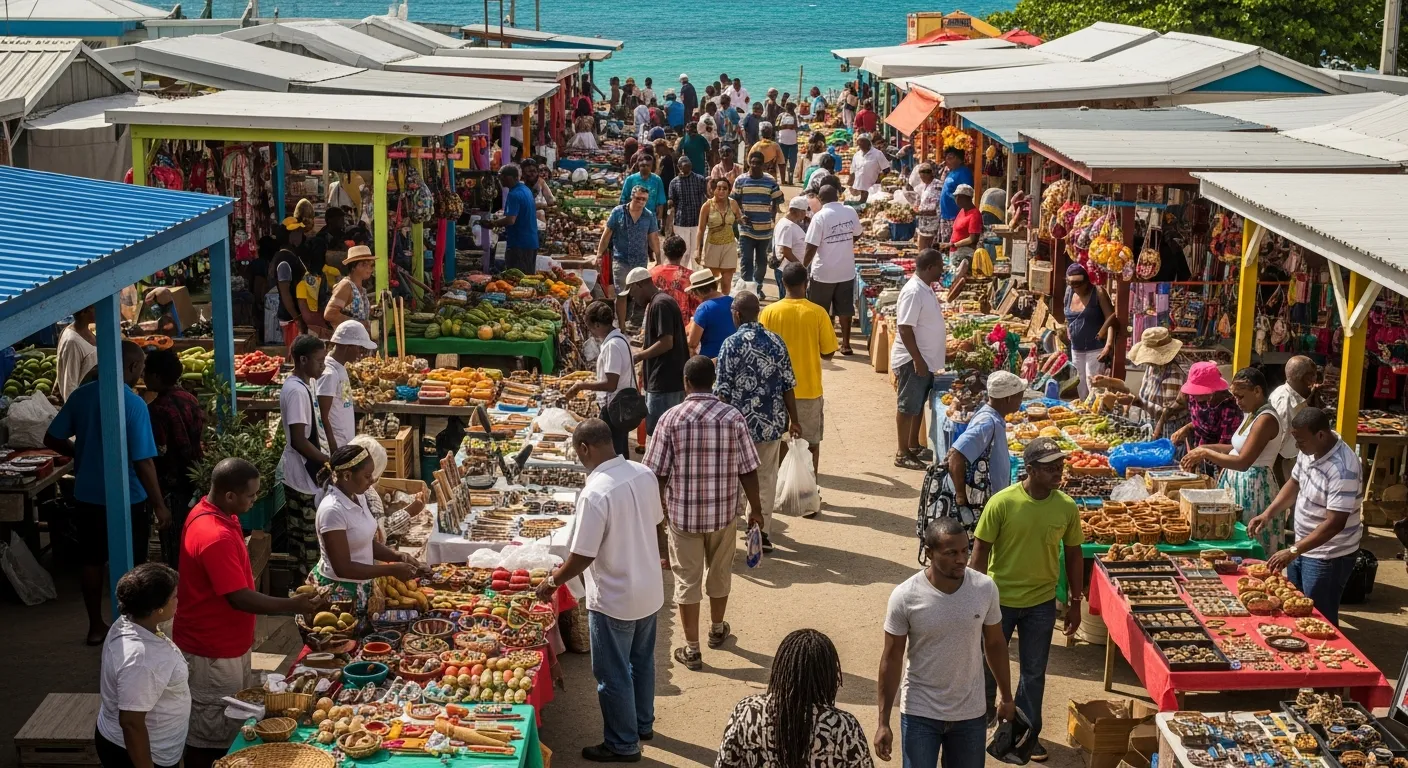
Understanding Caribbean consumer behavior requires navigating a complex landscape of cultural diversity, economic stratification, and digital transformation. With 44 million residents across 21 markets and a diaspora of 9.6 million, Caribbean consumers present unique opportunities for brands willing to invest in deep market understanding.
The Caribbean Consumer Landscape
Caribbean consumers in 2025 are characterized by increasing digital sophistication, strong diaspora connections, and evolving value priorities shaped by post-pandemic economic realities. While each island nation retains distinct characteristics, several pan-Caribbean trends are reshaping how brands must approach the region.
Caribbean Consumer Tracking: Key Themes
In-store remains dominant
Physical retail continues to lead across most Caribbean markets, particularly for everyday goods
78%
Cite value for money as top priority
Diaspora influence is material
Overseas family recommendations drive first-trial and brand adoption in home markets
E-commerce growing from a small base
Digital channels are expanding, with mobile commerce and social selling growing fastest
Shopping Habits & Channel Preferences
Traditional Retail Resilience
Despite global e-commerce trends, Caribbean consumers maintain strong ties to physical retail. Traditional trade-small independent stores, markets, and street vendors-remains the primary shopping channel for everyday goods in many markets. Key factors include:
- Credit relationships: "Trust" or informal credit arrangements with local shopkeepers
- Social shopping: Retail as a community and social experience
- Fresh food preferences: Daily purchases of fresh produce and protein
- Cash-based transactions: Limited payment infrastructure in rural areas
Modern Retail Growth
Supermarket chains and modern retail formats are expanding across the region. Leading retailers include:
| Retailer | Markets | Format | Growth Strategy |
|---|---|---|---|
| Massy Stores | T&T, Barbados, St. Lucia | Supermarket/Hypermarket | E-commerce, convenience |
| PriceSmart | Jamaica, T&T, Barbados | Warehouse Club | Membership expansion |
| SuperMax/MegaMart | Jamaica | Supermarket | Value positioning |
| Hi-Lo/Tru Valu | T&T | Supermarket | Neighborhood focus |
Free Caribbean Market Assessment
Discover which research methodology best fits your Caribbean market entry strategy.
Caribbean Consumer Segmentation Report
Download our consumer segmentation analysis with demographic profiles, brand preference data, shopping channel preferences, and spending patterns across 8 key Caribbean markets.
Digital Adoption & E-Commerce
Caribbean e-commerce continues to grow from a small base, with mobile commerce and social selling expanding at the fastest rates. Key platforms and trends include:
E-Commerce Leaders
- CaribbeanShoppingCart: Regional marketplace connecting diaspora with local products
- Amazon (via Miami forwarding): Dominant for electronics and specialty goods
- Local retailer websites: Growing click-and-collect options
- Social commerce: Instagram and WhatsApp-based selling surging
Payment Methods
Payment infrastructure remains a challenge, with cash still dominant in many markets:
| Payment Method | In-Store Usage | Online Usage | Growth Trend |
|---|---|---|---|
| Cash | 62% | N/A | Declining |
| Debit/Credit Card | 28% | 71% | Growing |
| Mobile Wallets | 6% | 18% | Fast Growing |
| Bank Transfers | 4% | 11% | Stable |
Brand Preferences & Loyalty
International vs. Local Brands
Caribbean consumers balance aspirational preferences for international brands with pride in local products:
- Premium categories: International brands dominate (70% share in spirits, cosmetics)
- Food and beverage: Local brands hold strong (55% share in soft drinks, snacks)
- Value segment: Price trumps origin-private label growing 15% annually
Factors Influencing Brand Choice
Top Brand Selection Factors (% Citing as Important)
Generational Differences
| Generation | Age | % Online Shoppers | Key Behaviors |
|---|---|---|---|
| Gen Z | 18-24 | 78% | Social commerce, mobile-first, influencer-driven |
| Millennials | 25-40 | 62% | Omnichannel, value-conscious, brand-aware |
| Gen X | 41-56 | 41% | Family-focused, quality-seeking, growing digital |
| Baby Boomers | 57+ | 18% | Traditional retail, brand loyalty, mobile banking adoption |
Diaspora Influence on Consumer Behavior
The Caribbean diaspora (9.6 million globally) exerts extraordinary influence on home market consumption patterns:
"Barrel Culture" & Product Introduction
The tradition of sending "barrels" of goods from abroad introduces new products to local markets. An estimated 2.3 million barrels are shipped annually from the US and UK to Caribbean nations, containing:
- Personal care products (65% of barrels)
- Clothing and footwear (58%)
- Household goods (42%)
- Electronics (31%)
Remittance-Driven Consumption
With $18.4 billion in annual remittances, diaspora money significantly boosts consumption. 80% of remittance recipients use funds for:
- Food and household necessities (45%)
- Education (18%)
- Healthcare (12%)
- Housing/utilities (25%)
📊 Premium Research Report
Access our comprehensive Caribbean Consumer Behavior Report with detailed segmentation analysis, brand tracking data, and exclusive consumer panel insights across 12 markets.
Access Premium ResearchFrequently Asked Questions
How are Caribbean shopping habits changing in 2025?
Caribbean consumers are increasingly embracing online shopping, though traditional retail remains dominant, particularly for everyday goods. HRG multi-year tracking across Caribbean markets shows physical retail holding the primary channel position, with mobile commerce and social selling growing fastest. Specific figures are available under client engagement.
What influences Caribbean brand preferences?
Key factors include diaspora recommendations (family members abroad introducing new brands), social media exposure among millennials, value for money (78% cite as top priority), and local brand loyalty. International brands must balance global appeal with local relevance.
How does the Caribbean diaspora influence consumer behavior?
The 9.6 million Caribbean diaspora significantly influences home market consumption through remittances ($18.4B annually), brand recommendations, product imports (barrel culture), and digital influence. HRG tracking consistently records diaspora family recommendations as a leading driver of first-trial for imported consumer goods.
What are the generational differences in Caribbean consumer behavior?
Gen Z (18-24) leads digital adoption with 78% shopping online. Millennials (25-40) balance digital and traditional channels. Gen X (41-56) shows growing digital comfort. Baby Boomers (57+) prefer traditional retail but are adopting mobile banking.
Conclusion
Caribbean consumer behavior in 2025 reflects a market in transition-balancing traditional shopping patterns with accelerating digital adoption. Brands succeeding in the region understand the importance of diaspora influence, value positioning, and channel diversity. As e-commerce infrastructure improves and generational shifts accelerate, consumer expectations will continue evolving rapidly.
Understand Your Caribbean Consumers
Our consumer research team provides tailored insights across 21 Caribbean and Latin American markets.
Request a ConsultationRelated Research
Trinidad & Tobago Research
2013 census: 14,627 retail outlets audited, of which 8,547 were surveyed — historical FMCG distribution baseline
Cruise Industry Market Share 2025
How cruise tourism shapes Caribbean consumer spending patterns
Caribbean E-Commerce Market Size
$3.2B market — mobile commerce, social shopping & digital adoption data
Consumer Brand Market Share
Brand tracking and competitive share data for Caribbean FMCG categories
Caribbean Economic Data
GDP per capita, trade flows, and consumer spending power by market
Jamaica Market Research
Kingston HQ — consumer surveys, retail audits & brand research