Caribbean Eco-Tourism Growth 2025: Sustainable Travel Trends
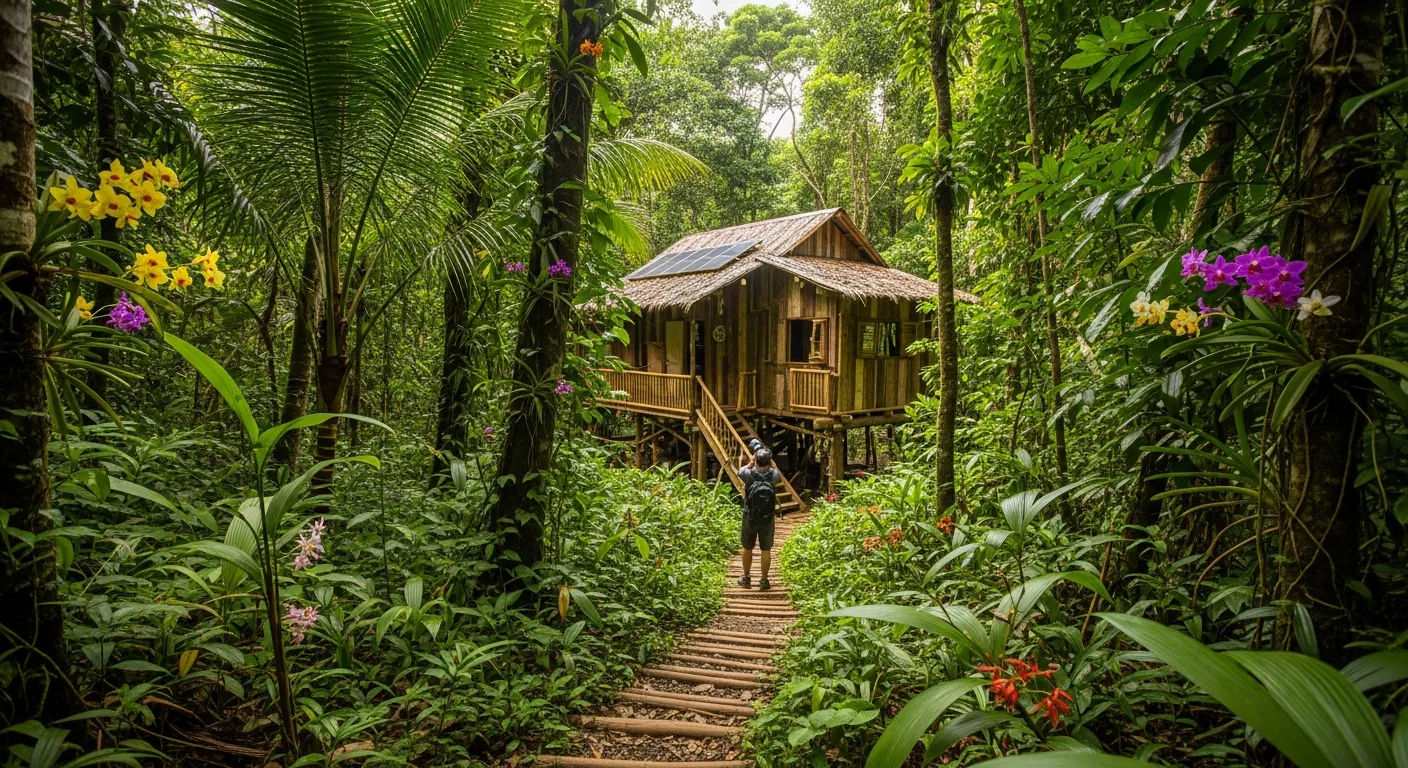
Eco-tourism has emerged as the fastest-growing segment of Caribbean tourism, driven by increasing environmental consciousness among travelers, destination investments in conservation, and the region's exceptional natural assets. With 12-15% annual growth rates and projected expenditures reaching $8.2 billion by 2026, sustainable tourism is reshaping the Caribbean's travel landscape while delivering meaningful community and environmental benefits.
Executive Summary: Caribbean Eco-Tourism 2025
The Caribbean eco-tourism sector has transformed from a niche market to a mainstream tourism segment, now representing approximately 18% of total regional visitor expenditure. Destinations like Dominica, Belize, Bonaire, and St. Lucia have built international reputations as eco-tourism leaders, while traditional beach destinations are increasingly incorporating sustainable practices to meet evolving traveler expectations.
Caribbean Eco-Tourism Key Metrics 2024-2025
$6.8B
Eco-tourism direct expenditure (2024)
12-15%
Annual growth rate
340+
Green-certified properties
45%
Travelers seeking eco-options
Sustainable Tourism Trends
Post-pandemic travel patterns have accelerated demand for authentic, nature-based experiences that minimize environmental impact while maximizing local community benefit. Research indicates that 72% of global travelers now believe people need to act sustainably to save the planet, with 45% actively seeking eco-friendly travel options.
Key Demand Drivers
- Climate Awareness: Travelers increasingly conscious of carbon footprints are choosing destinations with demonstrated sustainability commitments
- Authentic Experiences: Desire for meaningful cultural and nature connections over commodified resort experiences
- Health & Wellness: Nature-based activities perceived as healthier alternatives to crowded tourist areas
- Regenerative Travel: Growing segment seeking travel that leaves destinations better than found
- Digital Detox: Remote, nature-focused destinations appealing to those escaping hyperconnectivity
Top Eco-Tourism Destinations
Dominica: The Nature Island
Dominica has positioned itself as the Caribbean's premier eco-destination, with 60% of the island covered in protected rainforest. The country hosts 365 rivers, 9 active volcanoes, and the world's second-largest boiling lake. Annual eco-visitor arrivals reached 112,000 in 2024, generating $165 million in sustainable tourism revenue.
Dominica Eco-Tourism Highlights
- ✓Waitukubuli National Trail: 115-mile hiking trail across the island
- ✓World's first climate-resilient nation program
- ✓Whale watching capital: 22 resident sperm whale pods
- ✓Geothermal-powered eco-lodges and hotels
Belize: Reef & Rainforest
Belize combines the world's second-largest barrier reef with vast jungle preserves, offering diverse eco-experiences from reef diving to jaguar tracking. The country pioneered the "High Value, Low Impact" tourism strategy, limiting visitor numbers while maximizing per-visitor spending. In 2024, Belize attracted 520,000 visitors with average daily eco-tourism expenditures of $285.
Costa Rica's Caribbean Coast
While technically Central American, Costa Rica's Caribbean coast influences regional eco-tourism standards. Tortuguero's sea turtle nesting programs, Cahuita National Park, and the Gandoca-Manzanillo Wildlife Refuge demonstrate integrated conservation-tourism models replicated across the Caribbean. Costa Rica's pioneering certification programs and 30% protected land area set benchmarks for the region.
| Destination | Eco-Visitors (2024) | Protected Areas | Key Features |
|---|---|---|---|
| Dominica | 112K | 60% | Rainforest, volcanoes, whales |
| Belize | 520K | 36% | Barrier reef, jungle, Mayan ruins |
| Bonaire | 145K | 100% reef | Marine conservation, diving |
| St. Lucia | 180K | 28% | Pitons, rainforest, drive-in volcano |
| Puerto Rico (El Yunque) | 890K | 18% | Only US tropical rainforest |
| Grenada | 95K | 22% | Spice farms, underwater sculpture |
Free Caribbean Market Assessment
Discover which research methodology best fits your Caribbean market entry strategy.
Eco-Lodges & Sustainable Accommodations
The Caribbean eco-lodge sector has matured significantly, with properties ranging from rustic jungle camps to luxury sustainable resorts. Investment in sustainable accommodations reached $420 million in 2024, with particularly strong growth in solar-powered properties, rainwater harvesting systems, and farm-to-table dining concepts.
Notable Eco-Lodges & Sustainable Properties
- Secret Bay, Dominica:Luxury treehouse villas, 100% renewable energy, National Geographic Unique Lodge
- Blancaneaux Lodge, Belize:Francis Ford Coppola's jungle retreat, organic farm, hydroelectric power
- Jade Mountain, St. Lucia:Open-wall suites with Piton views, organic farm, water conservation systems
- Rosalie Bay Resort, Dominica:Sea turtle conservation, organic spa, geothermal energy
- Cotton Tree Lodge, Belize:Riverside cabanas, community-owned, cacao farm experiences
Adventure Tourism Segment
Adventure tourism represents the most dynamic eco-tourism subsector, growing at 18% annually as travelers seek active, outdoor experiences. The Caribbean's diverse topography-from volcanic peaks to coral reefs-supports a wide range of adventure activities attracting both hardcore enthusiasts and casual participants.
| Activity | Annual Participants | Growth Rate | Top Destinations |
|---|---|---|---|
| Scuba Diving | 2.8M | +8% | Bonaire, Cayman, Belize |
| Hiking/Trekking | 1.9M | +15% | Dominica, St. Lucia, PR |
| Zip-lining | 1.4M | +12% | Jamaica, St. Lucia, PR |
| Kayaking/Paddleboarding | 1.1M | +20% | BVI, Belize, Antigua |
| Whale/Dolphin Watching | 0.8M | +14% | Dominica, DR, Turks |
| Canyoning/Waterfall | 0.5M | +22% | Dominica, Grenada, Jamaica |
Conservation Initiatives
Caribbean destinations are implementing increasingly sophisticated conservation programs that integrate tourism funding with environmental protection. Marine protected areas, reforestation projects, and wildlife conservation efforts benefit from visitor fees, voluntourism programs, and eco-tourism operator contributions.
Conservation Success Stories
- Bonaire Marine Park:World's first government-mandated marine park, funded by diver fees, 100% reef protection
- St. Eustatius Sea Turtle Program:Volunteer-tourist partnership protecting 1,200+ nests annually
- Bahamas National Trust:32 national parks covering 700,000 acres, eco-fee funded
- Jamaica Blue & John Crow Mountains:UNESCO World Heritage site with sustainable coffee cultivation
- Belize Barrier Reef Reserve System:UNESCO site removed from "in danger" list after conservation success
Green Certifications & Standards
Environmental certification programs provide travelers with reliable indicators of sustainable operations while motivating operators to improve practices. The Caribbean hosts over 340 certified green properties, with certification applications increasing 24% annually as operators respond to market demand.
| Certification | Focus Area | Caribbean Properties | Key Requirements |
|---|---|---|---|
| Green Globe | Comprehensive sustainability | 156 | Energy, water, waste, community |
| Blue Flag | Beaches & marinas | 89 | Water quality, environmental ed. |
| Rainforest Alliance | Conservation integration | 48 | Biodiversity, local benefit |
| EarthCheck | Scientific benchmarking | 34 | Data-driven sustainability |
| CHTA Caribbean Green | Regional hospitality | 68 | Caribbean-specific standards |
Premium Sustainable Tourism Research
Access our comprehensive Caribbean Eco-Tourism Report with market segmentation, investment analysis, certification insights, and destination benchmarking data.
View Research ReportsCommunity Impact & Economic Benefits
Eco-tourism's economic model fundamentally differs from conventional tourism by emphasizing local ownership, community benefit, and supply chain localization. Research indicates eco-tourism retains 65-85% of visitor expenditure within local economies compared to 20-40% for conventional all-inclusive resorts.
Economic Benefit Comparison
Eco-Tourism Model
- • 65-85% local economic retention
- • Local ownership and employment
- • Farm-to-table food sourcing
- • Community guide programs
- • Conservation fee contributions
Conventional All-Inclusive
- • 20-40% local economic retention
- • International chain ownership
- • Imported food products
- • In-house staffing
- • Limited local integration
Challenges & Opportunities
Current Challenges
- Greenwashing: Some operators claiming sustainability without meaningful practices
- Capacity Limits: Popular eco-sites facing overtourism pressures
- Climate Vulnerability: Coral bleaching, hurricane intensity affecting key attractions
- Infrastructure Gaps: Limited sustainable transportation options in many destinations
- Price Premiums: Sustainable options often more expensive, limiting market reach
Growth Opportunities
- Regenerative Tourism: Moving beyond sustainability to actively restoring ecosystems
- Agri-Tourism Integration: Farm experiences, chocolate tours, coffee trails
- Marine Conservation Tourism: Coral restoration programs, citizen science opportunities
- Cultural Heritage Trails: Combining nature with indigenous and cultural experiences
- Carbon-Neutral Cruising: Small expedition vessels with minimal environmental footprint
Sustainable Tourism Market Assessment
Discover eco-tourism investment opportunities and sustainability benchmarking for Caribbean markets.
2025-2030 Outlook
The Caribbean eco-tourism sector is projected to reach $12.5 billion in direct expenditures by 2030, growing at a compound annual rate of 11.5%. Key trends shaping the future include:
- Certification Proliferation: Green certifications becoming table stakes for premium positioning
- Destination-Level Sustainability: Countries pursuing national-level carbon neutrality goals
- Technology Integration: Digital monitoring, AI-powered conservation, virtual pre-visit experiences
- Investment Flows: ESG-focused capital increasingly targeting sustainable tourism projects
- Traveler Demographics: Gen Z prioritizing sustainability over price in travel decisions
Conclusion
Caribbean eco-tourism has evolved from a specialized niche to a mainstream market force reshaping regional tourism economics. Destinations investing in authentic sustainable experiences, conservation integration, and community benefit are capturing growing market share while protecting the natural assets that underpin long-term tourism viability. As traveler preferences continue shifting toward meaningful, low-impact experiences, eco-tourism operators and destinations aligned with these values will increasingly define Caribbean tourism's future.
Partner With Eco-Tourism Experts
Hope Research Group provides sustainable tourism research including visitor segmentation, community impact assessment, and certification consulting across the Caribbean.
Request a ConsultationRelated Articles
Caribbean Tourism Statistics 2025
Complete regional tourism data and market analysis
Jamaica Travel Industry Report 2025
Jamaica's adventure and eco-tourism growth analysis
Caribbean Cruise Industry Analysis 2025
Cruise sustainability initiatives and expedition segment
Dominica Ecotourism: The Nature Island
365 rivers, 9 volcanoes, whale watching, Champagne Reef - Dominica's full ecotourism market guide
Caribbean eco tourism growth Research Report
Get our comprehensive caribbean eco tourism growth data pack with market analysis, competitive insights, and growth forecasts for strategic planning.