FMCG Market Research Jamaica 2026: Consumer Goods, Distribution & Brand Data
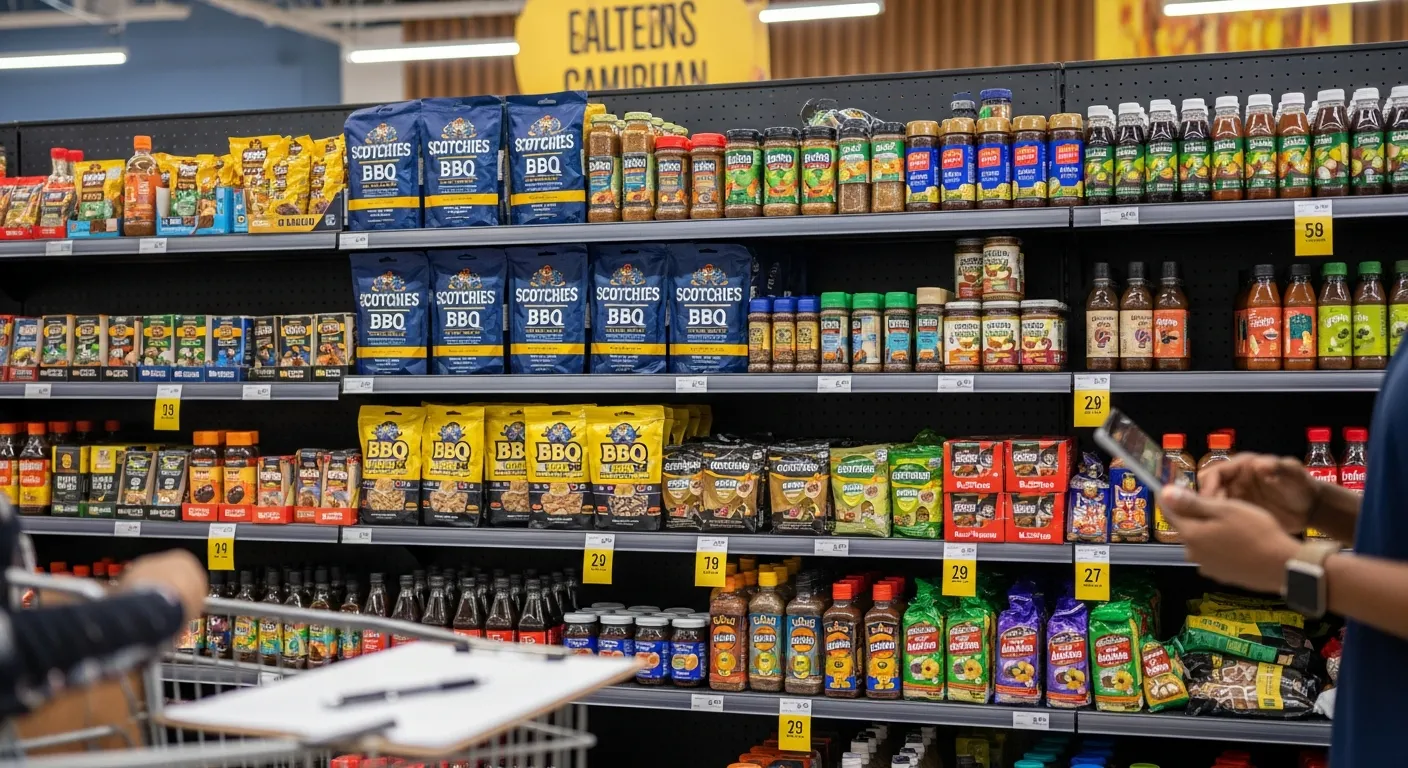
Jamaica is the Caribbean's most competitive FMCG battleground, with consumer goods contested by local manufacturers, regional distributors, and global multinationals. Understanding brand performance, distribution reach, shelf compliance, and Jamaican shopper behavior requires locally grounded research methodologies and field teams with deep channel knowledge. This guide covers how FMCG brands use market research to win in Jamaica.
Need primary data?
HRG conducts custom research on FMCG brand performance, retail distribution, and shopper behavior across Jamaica. Get a scoped quote within 24 to 48 hours.
Jamaica FMCG Market at a Glance 2026
2.8M
Consumer population
14
Parish markets to track
5.0%
Annual CPI inflation (STATIN, 2024)
Jamaica FMCG Research Proposal in 24 to 48 hours
Tell us your brand challenge and we will design the right research programme for the Jamaican market.
The Jamaica FMCG Market Structure
Jamaica's consumer goods market is distributed across four primary trade channels. Modern retail, anchored by PriceSmart, Loshusan, Hi-Lo Food Stores, and SuperPlus, serves the formal grocery segment, particularly concentrated in the Kingston Metropolitan Area. Outside Kingston, supermarket density drops sharply, with parish towns served by smaller independent chains and family-run grocery retailers.
Informal trade remains significant, particularly in rural parishes. Parlours, bars, and community shops serve as primary FMCG access points for low-income consumers who prefer small pack sizes and cannot afford the bulk quantities sold in warehouse-format retailers. Effective distribution measurement in Jamaica requires coverage of both modern and informal channels.
Brand Tracking and Health Monitoring
FMCG brand tracking in Jamaica typically measures six to ten core metrics quarterly: spontaneous and prompted awareness, recent consumption (past 30 days), purchase intention, preference versus key competitors, perceived value, and attribute associations (quality, taste, value for money, innovation). HRG's Jamaica brand tracking programs run on samples of n=150 to 300 per wave, stratified by region (Kingston, rural, tourist corridor) and key demographics (gender, age, income quintile).
Annual brand tracking costs range from USD 28,000 to 65,000 for single-brand programs, with multi-brand shared-cost omnibus tracking available from USD 8,000 to 15,000 per brand per year.
Retail Distribution Audit Methodology
HRG's retail audit capability in Jamaica covers numeric distribution (percentage of outlets stocking a SKU), weighted distribution (share of volume-weighted outlets), out-of-stock rate, facing count and share of shelf, promotional compliance, and competitive pricing. Audits are conducted quarterly or biannually using mobile data collection tools with GPS verification.
A standard category-level distribution audit across 200 outlets in Kingston and Spanish Town costs approximately USD 10,000 to 16,000 per wave. A nationally representative audit covering 400 to 600 outlets across all parishes costs USD 18,000 to 28,000 per wave.
Jamaica FMCG Brand Intelligence Report
Download our Jamaica FMCG market report including trade channel breakdown, category growth rates, digital adoption by income segment, and brand health benchmarks for major categories.
Shopper Research and Path to Purchase
Understanding how Jamaican consumers make FMCG purchase decisions requires in-store and exit interview research. HRG conducts shopper intercept surveys at supermarket and cash-and-carry exits, recording purchase decisions, brand switches, promotional response, and category penetration data. Accompanied shopping studies with 15 to 25 respondents provide qualitative depth on the in-store decision journey for categories where the shelf moment is critical.
Price Sensitivity and Promotional Response
Jamaica's FMCG market experienced sustained inflationary pressure between 2022 and 2024, with overall CPI inflation at 5.0% in 2024 and food price inflation at 8.1% year-on-year in December 2024 (STATIN CPI). Price sensitivity research reveals high elasticity in staple categories (cooking oil, flour, sugar, rice) and moderate elasticity in branded beverage and personal care categories where brand loyalty buffers against price increases. Promotional response studies measure redemption rates, switching behavior, and post-promotion retention for trade and consumer promotions.
Ready to Start Your Jamaica FMCG Research?
Our Jamaica field team covers all 14 parishes with trained CAPI interviewers and retail auditors.