FIFA 2026 World Cup: Caribbean Tourism Impact and Fan Travel Research
FIFA 2026 will be hosted across the US, Canada, and Mexico from June to July 2026. For Caribbean destinations, the tournament creates a dual economic force: outbound travel that temporarily reduces Caribbean hotel occupancy, and an inbound opportunity from international fans who may use Caribbean islands as base camps for Florida matches. Understanding both dynamics requires research before the tournament, not after.
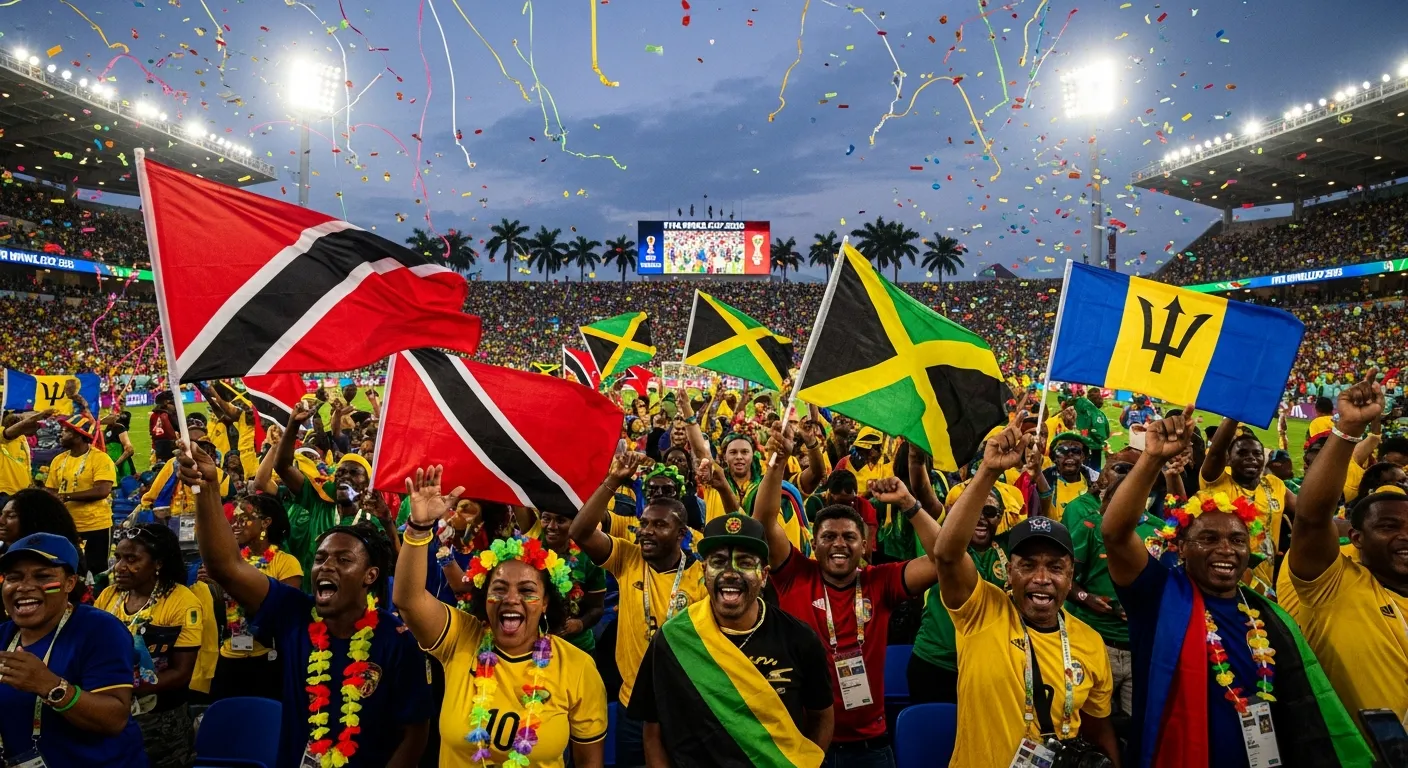
FIFA 2026 and the Caribbean: Key Facts
The Caribbean Fan Travel Opportunity
The Caribbean sits at the geographic crossroads of FIFA 2026. Jamaica, the Dominican Republic, Haiti, Trinidad and Tobago, and the smaller Eastern Caribbean islands are all within 2-4 hours of Miami by air. The Caribbean diaspora in the US (concentrated in South Florida, New York, and New England) creates an additional demand pool of football fans who already have US travel documents and will attend matches from existing US residence. For Caribbean tourism brands, airlines, and hospitality operators, FIFA 2026 represents both a risk (outbound travel vacancy) and an opportunity (inbound base-camp positioning for international fans attending Miami matches).
Fan Travel Intent by Caribbean Market
| Market | Football Engagement Level | FIFA 2026 Travel Potential | Nearest Host City |
|---|---|---|---|
| Dominican Republic | Very High | High (large middle class; close to Miami) | Miami |
| Jamaica | High | High (strong Miami / NY diaspora link) | Miami / New York |
| Trinidad and Tobago | Very High | Moderate-High (income capacity variable) | Miami |
| Haiti | Very High | Low-Moderate (economic constraints) | Miami |
| Barbados | Moderate | Moderate (affluent small island; diaspora NY/UK) | Miami |
| Bahamas | Moderate | Moderate (proximity to Miami; tourism-accustomed) | Miami |
| Guyana | High | Moderate-High (growing income; strong diaspora NY) | Miami / New York |
Source: HRG Caribbean sports tourism analysis. Travel potential ratings are HRG estimates based on income levels, football engagement, and proximity to host cities.
The Caribbean Base-Camp Inbound Opportunity
A subset of international fans attending Miami matches will look for accommodation alternatives to expensive Miami hotels during the World Cup period. Caribbean destinations with direct flights to Miami are positioned to capture this base-camp demand: a tourist stays on the island 3-4 nights, flies to Miami for their match day, and returns. Destinations best positioned for this are the Bahamas (35-minute flight to Miami), Jamaica (2.5-hour flight), Dominican Republic (3-4 hours), and Cayman Islands (2 hours). The key research question for tourism boards is: what is the realistic incremental visitor volume from FIFA 2026 base-camp positioning, and what package pricing makes it competitive versus Miami accommodation?
Research Programmes for FIFA 2026
| Research Type | Target Audience | Objective | Indicative Cost |
|---|---|---|---|
| Fan Travel Intent Survey | Caribbean residents 18-55 | Quantify outbound demand by market; hotel impact | $18,000 - $28,000 |
| Diaspora Fan Study | Caribbean-Americans in South Florida | Identify who attends, how, spend per trip | $16,000 - $24,000 |
| Base-Camp Positioning Test | International travellers, FIFA ticket holders | Test Caribbean base-camp concept; pricing | $20,000 - $32,000 |
| Sponsor Message Testing | Football fans in target markets | Test FIFA 2026 sponsorship creative | $14,000 - $22,000 |
| Post-Event Impact Study | Hospitality sector, visitors, fans | Actual vs. projected economic impact measurement | $22,000 - $38,000 |
Indicative only. Contact HRG for project-specific pricing and timing recommendations.
Free Caribbean Market Assessment
Discover which research methodology best fits your Caribbean market entry strategy.
Frequently Asked Questions
How will FIFA 2026 affect Caribbean tourism?
FIFA 2026, hosted across the United States, Canada, and Mexico from June to July 2026, is expected to generate significant outbound travel from the Caribbean to US host cities (Miami, New York, Dallas, Houston, Los Angeles, among others). Caribbean fans from Jamaica, Trinidad and Tobago, the Dominican Republic, and Haiti account for the largest fan travel pools, given their football culture and large diaspora communities near US host cities. Florida host city Miami (Hard Rock Stadium in Miami Gardens) is expected to receive the highest concentration of Caribbean and Caribbean-American attendees of any host venue.
Which Caribbean countries have the most FIFA 2026 fan travel potential?
The Dominican Republic, Jamaica, and Trinidad and Tobago have the highest outbound FIFA 2026 fan travel potential from the Caribbean basin, driven by: (1) Large diaspora populations in US host cities who will travel to attend matches; (2) Relatively affordable short-haul flights to Florida and the US East Coast; (3) Strong football culture and prior World Cup travel history. Haiti has high enthusiasm but lower travel capacity due to economic constraints. Smaller Eastern Caribbean islands (Barbados, St. Lucia, Grenada) have football-active populations with significant US diaspora connections through New York and Boston who will attend from the US rather than directly from the islands.
How does FIFA 2026 affect Caribbean hotel and hospitality demand?
FIFA 2026 creates two distinct Caribbean hospitality demand dynamics: outbound (Caribbean residents travelling to US host cities, vacating Caribbean hotels and reducing local occupancy), and inbound (international football fans using Caribbean islands as base camps for Miami and Florida matches). The second dynamic is particularly relevant for Bahamas, Cayman Islands, and Dominican Republic, which have direct flights to Miami and can market themselves as luxury alternatives to expensive Miami accommodation. Caribbean hoteliers and tourism boards should commission demand forecasting studies to model both effects.
What research should Caribbean hospitality brands commission for FIFA 2026?
Caribbean hospitality brands should commission: (1) Fan travel intent surveys among domestic populations to quantify outbound demand and its hotel occupancy impact; (2) Diaspora fan travel studies in US diaspora communities to understand who will travel to which host cities and when; (3) International visitor research to identify which overseas markets are considering Caribbean base-camp stays; (4) FIFA 2026 promotional message testing for marketing to football-interested segments; (5) Post-event impact assessment to measure actual vs. projected economic impact. HRG conducts all of these research types across the Caribbean and US diaspora markets.
How large is the Caribbean football fan base relevant to FIFA 2026?
Football (soccer) is the dominant sport across most of the Caribbean basin. The Dominican Republic alone has an estimated 4.5 million football fans (based on DR Football Federation estimates). Trinidad and Tobago, despite its small population, has one of the Caribbean's highest per-capita football engagement rates and a long history of World Cup qualification attempts. Jamaica qualified for the 1998 World Cup and has a passionate fanbase. Haitian football enthusiasm is significant but constrained by economic access to international travel. Across the Caribbean region, estimated football-engaged adults total approximately 12-15 million, of whom an estimated 8-10% have sufficient income and interest to consider attending FIFA 2026 matches.
Related Resources
FIFA 2026 Caribbean Tourism Opportunity Brief
Download HRG's brief on FIFA 2026 Caribbean tourism impacts, including fan travel demand estimates, base-camp positioning analysis, and a research programme roadmap for Caribbean tourism boards and hospitality brands.